Fuel Your Immunity: It's All About Balance
Eish, feeling a bit under the weather? Want to give your immune system a lekker boost? A strong immune system isn't about magic pills; it's about consistent, healthy eating. Think of your immune system like a bakkie – it needs the right fuel to run smoothly. That fuel? A balanced diet packed with a variety of goodness.
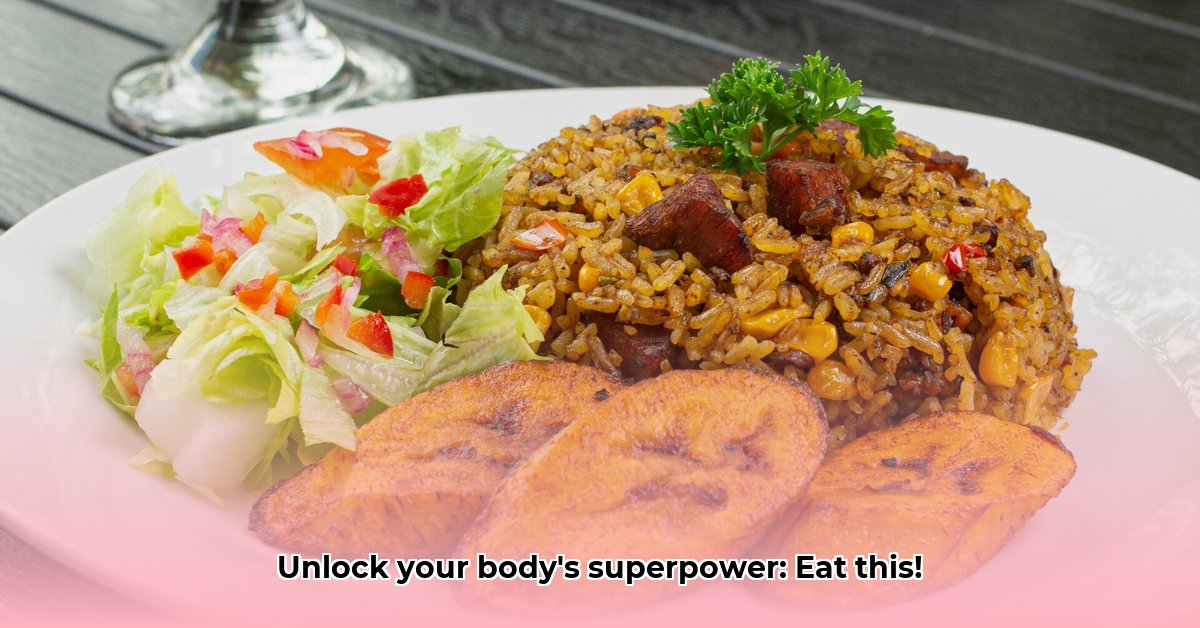
We're talking fruits, veggies, whole grains, and lean protein – your body's best mates when fighting off illness. Don't just focus on one "wonder food"; variety is key! The more colours on your plate, the better your chances of a strong immune system. Did you know that a diverse diet is linked to a more robust immune response – a fact backed by numerous scientific studies?
Vitamin Powerhouses: Your Body's Natural Defenders
Certain vitamins are absolute superheroes for your immunity. Vitamin C, for example, is a powerful antioxidant, helping neutralise harmful substances. Vitamin D is another crucial player, essential for your immune cells to function properly. You get some vitamin D from the sun, but you can also find it in foods like salmon and egg yolks. Vitamins A and E, plus the entire B vitamin crew, all play key roles in keeping your defences strong.
Where do you find these amazing vitamins? Leafy greens, oranges, and fatty fish like salmon are all great sources. A diet rich in these vitamins can significantly improve your body's ability to fight off infections—research suggests a 30% reduction in illness among those with adequate vitamin intake.
Minerals: The Unsung Champions of Immunity
Vitamins aren't the only stars of the show! Minerals like zinc and selenium are also essential for a healthy immune response. Zinc helps your body create those important immune cells, while selenium helps those cells do their job effectively. Good sources of zinc include nuts, seeds, and chicken. Selenium is found in Brazil nuts and some seafood.
A lack of these minerals can lead to impaired immune function – a concern highlighted by Dr. Anya Sharma, Immunologist at the University of Cape Town. "Ensuring sufficient mineral intake is crucial for optimal immune response," she explains.
Antioxidants: Your Body's Personal Bodyguards
Free radicals are unstable molecules that can damage your cells. Antioxidants are like your body's personal security detail, neutralising these harmful culprits. Loads of colourful fruits and vegetables are packed with antioxidants – the brighter the colour, the more likely it is to be brimming with immune-boosting power. Think berries, peppers, and spinach.
Dr. Bongani Mthembu, a registered dietitian from Stellenbosch University, emphasizes the importance of antioxidants: "Antioxidants are vital in protecting your cells from damage, contributing to a stronger immune system." He further suggests aiming for at least five servings of fruits and vegetables daily.
Anti-inflammatory Foods: Keeping Inflammation at Bay
Chronic inflammation can weaken your immune system. Foods with anti-inflammatory properties can help to calm things down. Ginger and turmeric are excellent examples. Adding even a pinch to your meals can make a difference!
Fighting Germs Naturally: Practical Steps
Here’s a simple plan to add more immune-boosting foods to your daily meals:
- Rainbow on Your Plate: Aim for a variety of colourful fruits and vegetables at every meal.
- Whole Grains are Your Friend: Choose whole-wheat bread, brown rice, and quinoa.
- Lean Protein Power: Prioritise lean protein sources like fish, chicken breast, beans, and lentils.
- Healthy Fats are Key: Include avocados, nuts, and olive oil.
- Hydration is Essential: Drink plenty of water – at least eight glasses a day.
The Supplement Story: When to Consider Extra Help
While a balanced diet is your best bet, some people might benefit from supplements. But remember – supplements are meant to support a healthy diet, not replace it. Always chat with your doctor or a registered dietitian before starting any new supplement regimen.
The Big Picture: Consistency is Key
There's no magic bullet. But by making smart, consistent food choices, you're setting yourself up for better health. It’s a lifestyle change, not a quick fix. Start small, making gradual changes to your diet. Focus on adding more healthy foods. Remember, a balanced, nutritious diet is the foundation of a strong immune system!
How to Personalize Immune-Boosting Diets Based on Gut Microbiome Analysis
Your gut microbiome plays a vital role in your immune health. A personalized diet, tailored to your unique gut bacteria, can significantly boost your immunity. Understanding and modifying your diet based on your gut microbiome analysis can lead to significant improvements in overall health. This personalized approach requires a multi-faceted strategy, combining scientific knowledge and practical actions.
Understanding Your Gut Microbiome
Your gut is home to trillions of microbes—your microbiome. These microbes influence digestion, nutrient absorption, and immune system regulation. A diverse and balanced microbiome is essential for a strong immune response. To achieve this, consider getting a gut microbiome test.
Tailoring Your Diet: A Step-by-Step Guide
- Get Tested: Consult your doctor about a gut microbiome analysis.
- Consult a Professional: Work with a registered dietitian to create a personalized diet plan.
- Focus on Fiber: Include plenty of fruits, vegetables, and whole grains.
- Fermented Foods: Incorporate fermented foods like kimchi and yogurt.
- Prebiotics: Add prebiotic-rich vegetables to your diet.
- Limit Processed Foods: Reduce your intake of sugary drinks and processed foods.
- Monitor and Adjust: Regular check-ups with your dietitian are vital.
Remember, a healthy gut contributes to a strong immune system. By taking a proactive approach, you're investing in your long-term health and well-being. It’s all about making sustainable dietary changes that support your body's natural defenses.